Why a waterhole beats a game drive
The instinct of a first-time visitor is to cover ground. Drive further, see more, find something. It feels productive and it produces almost nothing: distant frames, backlit, taken through dust raised by your own vehicle.
The alternative is to stop. In the dry season a waterhole is the one place every animal must eventually come to. Guineafowl and doves first, antelope through the middle of the morning, zebra around midday, and — if the day goes well — the cats that were waiting for exactly the same thing.
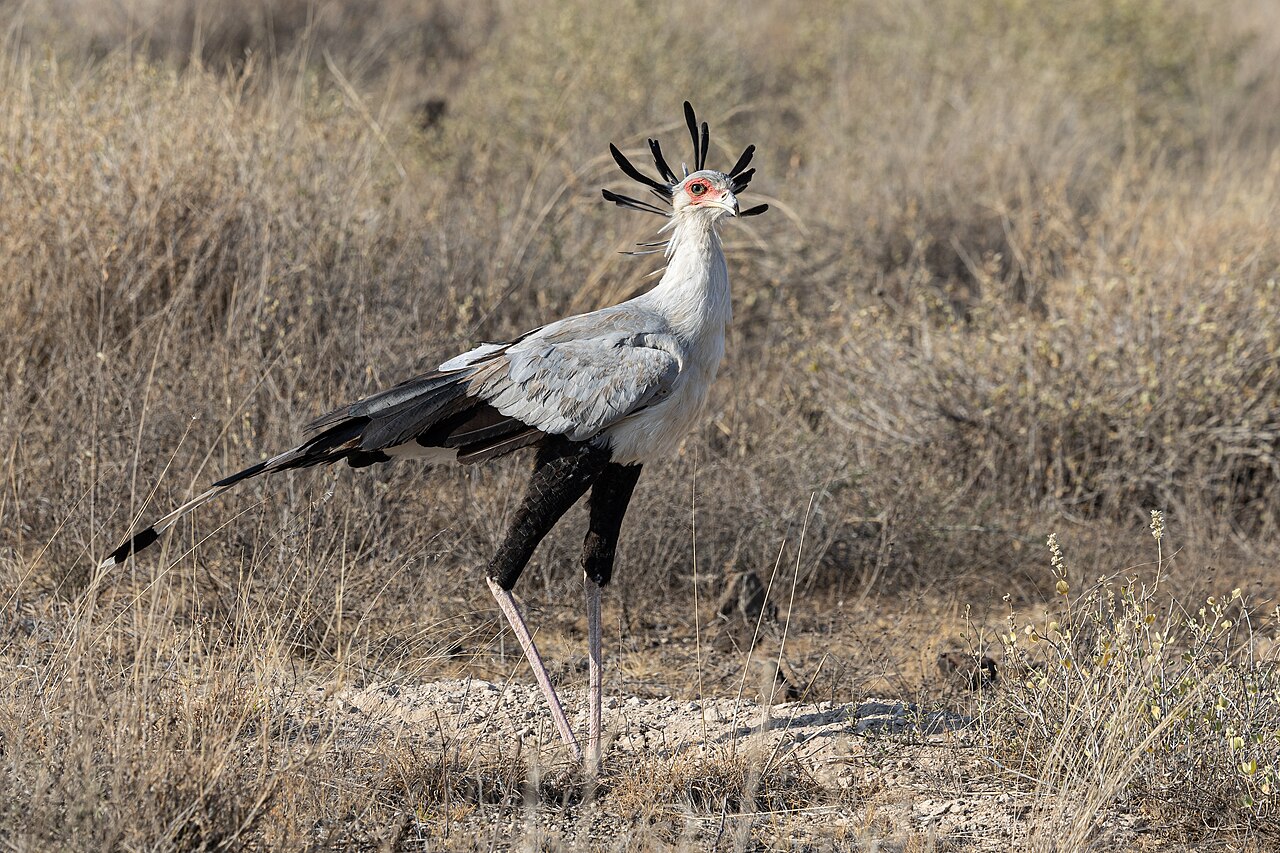
Sitting still buys you something else that is rarely mentioned. Animals habituate to a stationary vehicle in twenty to thirty minutes. The distance at which an elephant will tolerate a parked car is roughly half the distance at which it will tolerate a moving one.
So: choose the spot before dawn, arrive in the dark, and do not move. The most common question we get is how long to wait. The honest answer is somewhere between forty minutes and five hours.
One practical note. Keep the camera powered and configured. The event you waited half a day for lasts about four seconds, and four seconds is not enough time to find the right mode.