Three hours of usable light
Near the equator the sun rises almost vertically. The practical consequence is that soft light does not linger the way it does at higher latitudes: roughly ninety minutes after sunrise, ninety minutes before sunset, and eight hours of hard overhead light in between during which very little is worth shooting.
This is the entire reason for the standard park routine — out at half past five, back by eleven, out again at four. It is not tradition. It is the only schedule under which the light is on your side.
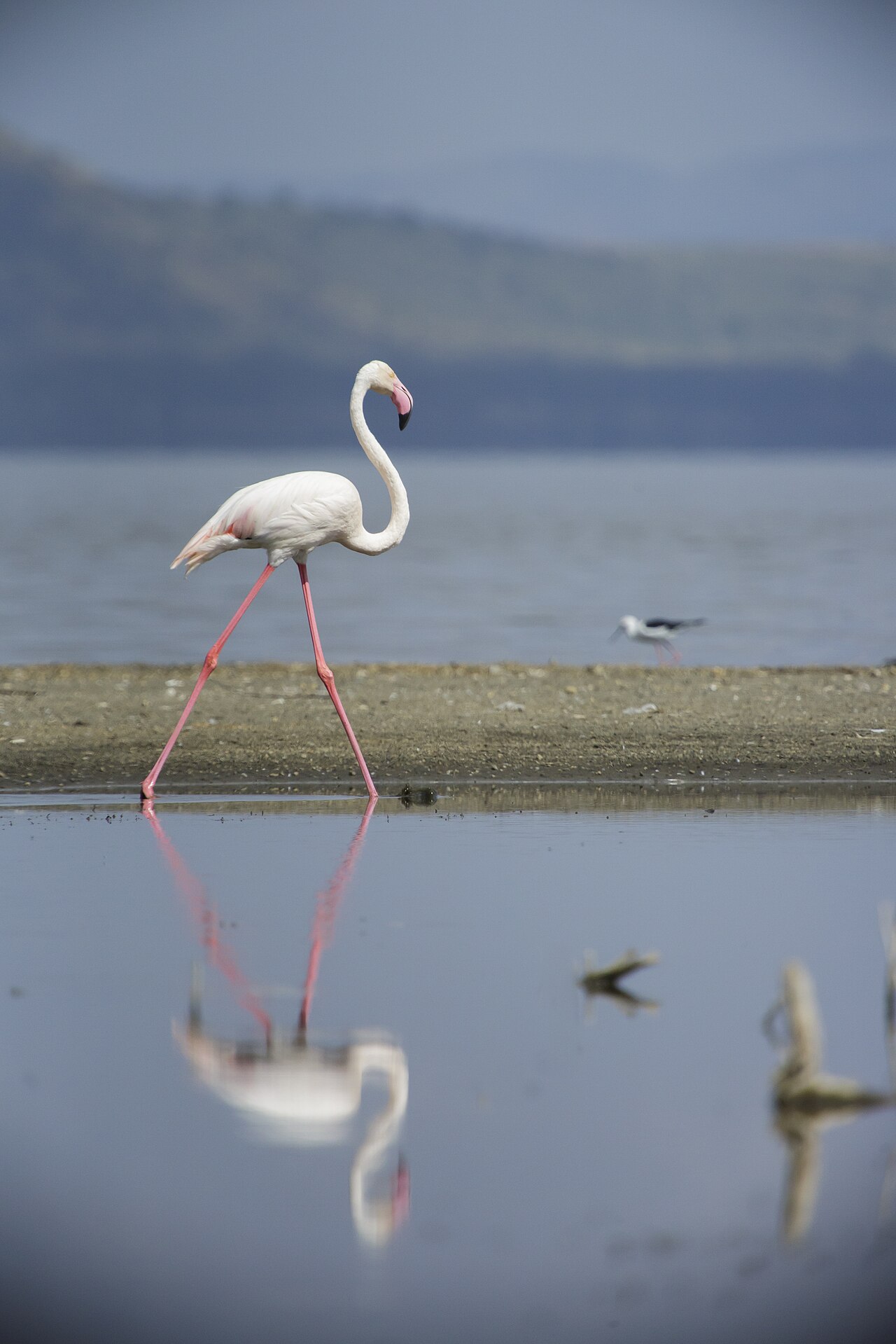
The middle of the day is best spent on two things: reviewing what you have, and scouting. Midday is when you can cover ground cheaply, note where the tracks are, where the vultures are standing, where the mud beside a track has dried. By the evening drive you are working a route you already understand.
A word on dust. Late in the dry season the air above the plains carries a fine suspension that turns ordinary backlight into visible shafts. It is the most recognisable effect in African photography and it costs nothing but patience and the correct angle.